




MANAH, JUNE 24
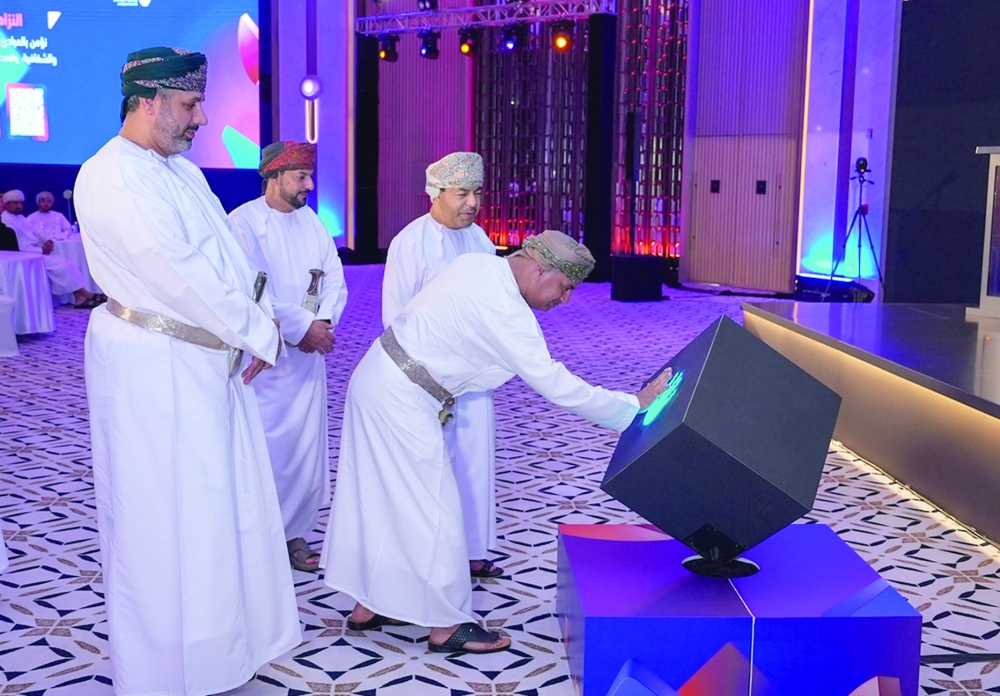
Al Dakhiliyah Governorate has unveiled its “Afaq” Strategy (2026-2030) alongside 282 development and investment projects valued at more than RO 92 million, during its Annual Media Forum 2026.
The “Afaq” Strategy will guide the governorate’s development journey in the coming years. The strategy aims to enhance institutional readiness and strengthen the governorate’s economic, investment, and tourism competitiveness in line with the objectives of Oman Vision 2040.
The “Afaq” Strategy is the result of an extensive participatory process involving more than 330 participants from 46 entities through 32 interactive sessions, nine field visits and over 50 direct interviews with community members. The process was designed to create a development road map that reflects local priorities and future aspirations.
The strategy is built around several key pillars, including institutional development, stimulation of the local economy and strengthening Al Dakhiliyah’s development identity, while maximising the governorate’s tourism, cultural and natural assets.
Shaikh Mahmoud bin Rashid al Saadi, Acting Governor of Al Dakhiliyah, said, "The governorate’s ongoing projects and initiatives reflect strong collaboration between the governorate, government entities, the private sector and the wider community." He described the “Afaq” Strategy as a road map for Al Dakhiliyah’s next development phase, translating community aspirations and sustainable development objectives into actionable plans aligned with Oman Vision 2040.
Dr Mahmoud bin Humaid al Wahaibi, founder and CEO of Oman Think Urban, said, “Afaq reflects an advanced approach to development planning based on data analysis and community engagement, and has the potential to become a national model for developing governorates.” During the forum, the governorate highlighted 282 development and investment projects with a total value exceeding RO 92 million, covering a range of key sectors aimed at driving economic growth and improving the quality of life across the governorate.
The forum also highlighted growing economic indicators across Al Dakhiliyah Governorate, with the value added from non-oil activities surpassing RO 1.078 billion, representing nearly 8 per cent of Oman’s total non-oil value added contribution. Foreign investment exceeded RO 57 million, while investment returns increased by 40 per cent and investment contracts rose by 52 per cent, underscoring the governorate’s increasing appeal as an investment destination and the expansion of its economic activities.
The forum also reviewed investment contracts and newly introduced opportunities launched by the governorate during the past period, covering a range of commercial, tourism, recreational, and service projects aimed at expanding investment prospects and supporting sustainable economic growth.
The governorate has also witnessed the completion and operation of several tourism, recreational, and service projects and destinations over the past period. Among the most notable is Nizwa Public Park, which has attracted more than 600,000 visitors since its opening, along with Al Jabal Al Akhdhar Public Park and a number of urban development projects and public facilities across various wilayats. These initiatives are expected to contribute to improving the quality of life while strengthening the governorate’s tourism and investment appeal.
In the urban development and municipal services sector, Al Dakhiliyah Governorate implemented 36 projects covering public parks, markets, tourism initiatives and service facilities, with a total investment of RO 23.56 million.
The governorate also executed 53 internal road projects with a combined length of 434.3 kilometres and a total cost exceeding RO 43.1 million, in addition to 21 street lighting projects that included the installation of 907 lighting poles across various wilayats.
In the basic services sector, work is currently underway on the Al Dakhiliyah Water Transmission Line Enhancement Project, valued at RO 128 million. The governorate’s water infrastructure includes 131 reservoirs, 128 main pumping stations and 12 wastewater treatment plants, while the total length of water distribution networks reached 3,782 kilometres, with a coverage rate of 72 per cent.
In the municipal and regulatory sector, the relevant authorities issued 7,647 building permits, 3,613 building completion certificates and 971 excavation permits. A total of 23,846 administrative procedures and 43,703 field inspection visits were also carried out. Veterinary control efforts included the inspection of 59,832 slaughtered animals, the disposal of 16,339 kilogrammes of unfit meat, and the testing of 1,048 water samples and 843 food samples, reinforcing food safety and public health standards in the governorate.
In the health sector, the governorate comprises 34 healthcare facilities, including 6 hospitals, 24 health centres and 4 polyclinics, with outpatient visits exceeding 1.7 million during 2025.
In education, the governorate hosts 168 schools serving more than 116,000 students and employing over 9,000 teachers.
In the heritage and tourism sector, 108 historical sites have been restored and 6 heritage sites have been invested in by the end of 2025. Tourist attractions recorded more than 510,000 visitors, while the number of hotel establishments rose to 214, with an additional 90 projects under development, reflecting continued growth in the tourism sector.
In the food security sector, agricultural investments reached approximately RO 154 million. The governorate is home to more than 1.17 million date palms, 387,000 livestock and over 6 million poultry birds, alongside 75 agricultural investment opportunities currently on offer.
The media forum concluded that Al Dakhiliyah is moving towards a new phase of development driven by the “Afaq” Strategy. This reinforces its position as a leading destination for investment, tourism and economic development, under the forum’s slogan: “Development that is measured... and impact that is felt.”
Oman Observer is now on the WhatsApp channel. Click here